
Why Some Rugs Bleed Color During Cleaning
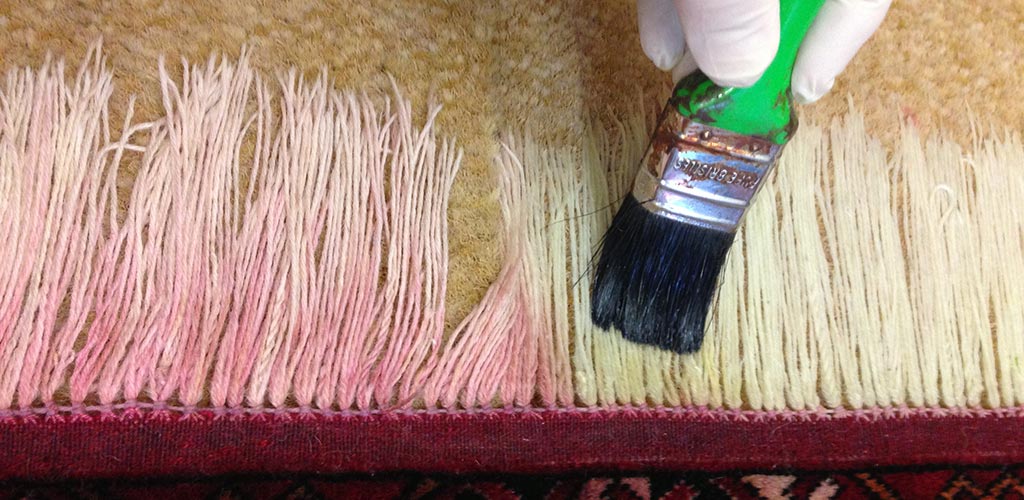




Color bleeding is one of the biggest concerns when cleaning Persian, Oriental, wool, and handmade rugs. When dyes are not fully stable, moisture can cause color to migrate from one area of the rug into another.
This is why professional rug cleaning begins with understanding the textile before washing it. The age of the rug, type of dye, fiber content, previous cleaning history, and even the products used in the home can all affect color stability.
What Causes Rug Dyes to Bleed?
Some rugs contain dyes that were never completely fixed to the fibers. Others may become less stable over time because of wear, sun exposure, chemical treatments, or previous cleaning attempts.
Natural fibers such as wool and silk can also react differently to changes in water temperature, pH, and cleaning chemistry. A rug that appears perfectly stable while dry may behave very differently once moisture is introduced.
Not All Color Movement Is the Same
True dye bleeding occurs when color releases from one section and transfers into another. This is different from normal color variation, pile shading, or abrash, which refers to natural changes in tone commonly found in handmade rugs.
An experienced rug cleaner must recognize the difference. Mistaking natural variation for dye damage can lead to unnecessary treatment, while ignoring actual color instability can create permanent problems.
Why Dye Testing Matters Before Washing
Before cleaning a fine rug, we evaluate the dyes in areas that may be vulnerable to migration. This is especially important when a design includes strong reds, blues, blacks, or other deeply saturated colors next to lighter fields.
The results help determine the appropriate cleaning method, water conditions, treatment products, and drying strategy. Some rugs can tolerate full washing, while others require a more controlled approach.
Fast and Controlled Drying Is Important
Color stability does not stop being a concern when washing ends. If a rug remains wet too long, moisture can continue moving through the fibers and increase the risk of dye migration.
Professional moisture extraction and controlled drying reduce that exposure time and help stabilize the rug after cleaning.
Can Rug Color Bleeding Be Corrected?
In some cases, recent dye migration can be improved with specialized treatment, but results depend on the fibers, dyes, severity, and length of time the transferred color has remained in the rug.
Prevention is always preferable. Avoid soaking a fine rug at home, using strong stain removers, or experimenting with bleach and high-pH carpet products when you are unsure about dye stability.
Gentle Genie Rug Care provides professional rug cleaning services for Persian, Oriental, wool, silk, handmade, antique, and specialty rugs. Our cleaning process includes careful inspection and fiber-specific treatment before a rug is washed.
Browse our recent rug cleaning projects or request a rug cleaning quote if you have concerns about delicate fibers, unstable dyes, stains, or color bleeding.